Understanding the Industrial Chemicals Wholesale Market
The industrial chemicals wholesale market plays a critical role in various sectors, including manufacturing, construction, and pharmaceuticals. These chemicals serve as essential raw materials for countless products, from everyday items to complex industrial applications. As businesses increasingly seek reliable suppliers to meet their chemical needs efficiently, understanding the dynamics of this market becomes paramount. When exploring options, industrial chemicals wholesale provides comprehensive insights into suppliers and their offerings.
What Are Industrial Chemicals?
Industrial chemicals are substances used for industrial purposes, including the production of goods and services. They can be categorized into various types such as solvents, acids, bases, and petrochemicals. Industrial chemicals serve diverse functions, including serving as reactants in chemical reactions, catalysts that speed up processes, and additives that enhance product properties. Examples include sulfuric acid used in fertilizers, ethylene glycol for antifreeze, and sodium hydroxide in soap manufacturing.
Current Trends in Wholesale Pricing
The pricing of industrial chemicals is influenced by multiple factors such as raw material costs, environmental regulations, and market demand. Recent trends indicate that prices are fluctuating due to supply chain disruptions caused by global events, including the COVID-19 pandemic and geopolitical tensions. Moreover, the shift towards sustainable practices is prompting suppliers to adjust their pricing strategies to accommodate environmentally friendly alternatives. Market participants are leveraging data analytics to forecast price trends and make informed purchasing decisions.
Key Players in the Industry Landscape
The industrial chemicals market is characterized by several key players, ranging from large multinational corporations to local suppliers. Major companies such as BASF, Dow Chemical, and SABIC dominate the market due to their extensive product portfolios and global reach. However, smaller players are gaining traction by specializing in niche markets or providing custom solutions. Understanding the competitive landscape is essential for businesses looking to forge partnerships with reliable suppliers.
Choosing the Right Suppliers for Industrial Chemicals
Selecting a supplier for industrial chemicals involves careful consideration of various factors, including reliability, pricing, and safety standards. Companies must conduct thorough research to ensure that their chosen suppliers meet industry regulations and can provide consistent quality.
Evaluating Supplier Reliability and Safety Standards
Reliability is a crucial criterion in selecting a supplier. Businesses should assess potential suppliers’ track records regarding on-time deliveries and product quality. Additionally, evaluating their adherence to safety standards is equally important. Suppliers should comply with regulations set by agencies such as OSHA and EPA, ensuring the chemicals they provide pose minimal risk to workers and the environment. Requesting safety data sheets (SDS) and certifications is a practical way to evaluate these aspects.
How to Compare Wholesale Pricing Effectively
When comparing wholesale pricing, businesses should look beyond just the dollar amount. It’s essential to consider the total cost of ownership, which includes shipping, handling, and potential wastage. Using a spreadsheet to compare quotes from multiple suppliers can highlight variations in pricing and services, enabling businesses to make informed decisions. Furthermore, establishing long-term relationships with suppliers may lead to better pricing structures and discounts over time.
Building Partnerships for Long-Term Success
Developing strong partnerships with suppliers can significantly enhance a business’s operational efficiency. Effective communication is key; organizations should ensure they maintain open lines of dialogue about demands, expectations, and challenges. Collaborating on product development and sustainability initiatives can also benefit both parties, fostering a partnership that goes beyond mere transactions.
Best Practices for Managing Industrial Chemical Inventory
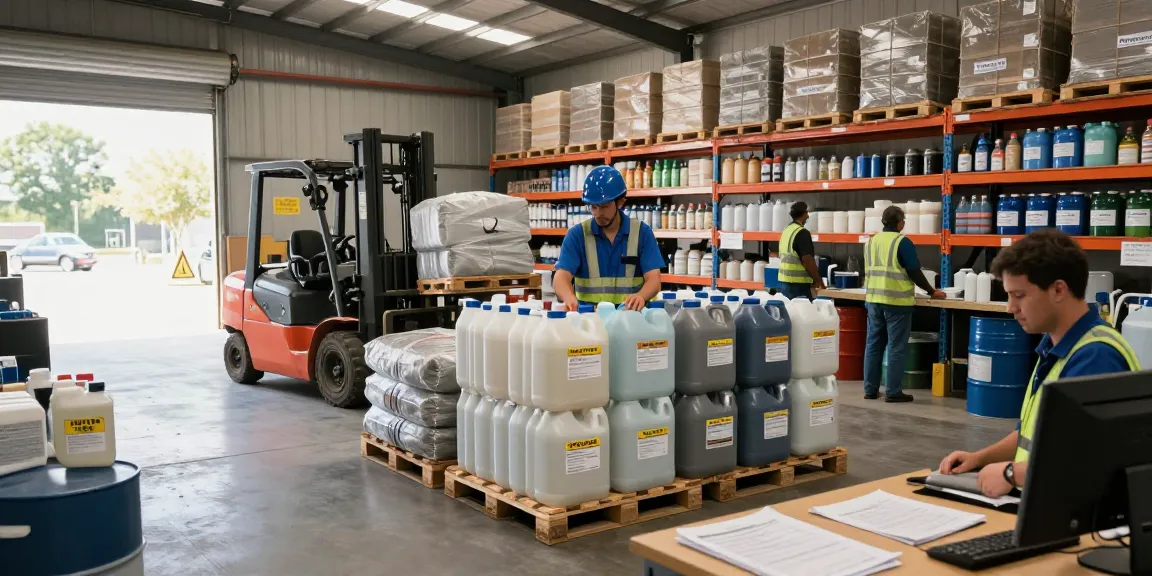
Effective inventory management is vital in the industrial chemicals sector, where the risks of overstocking or stockouts can have substantial financial implications. Implementing robust systems and technology can streamline this process.
Implementing Effective Inventory Management Systems
Businesses should utilize inventory management systems that provide visibility into stock levels, usage rates, and reorder points. This can involve using software solutions designed for chemical inventory management, which can help track expiration dates, safety compliance, and inventory turnover rates. By having a comprehensive view of their inventory, companies can reduce waste and optimize their purchasing processes.
Ensuring Compliance with Safety Regulations
Compliance with safety regulations is critical in managing industrial chemicals. Companies must stay informed about local and international regulations governing the handling, storage, and transportation of chemicals. Regular audits and training programs can help ensure that all employees are knowledgeable about safety protocols and best practices, minimizing the risk of accidents and legal issues.
Utilizing Technology for Real-Time Tracking
Modern technology offers various solutions for real-time tracking of chemical inventory, including RFID and IoT devices. By integrating these technologies, companies can monitor storage conditions, track shipments in transit, and anticipate supply chain disruptions. This not only enhances operational efficiency but also ensures product integrity by maintaining optimal storage environments.
Challenges Faced by the Industrial Chemicals Wholesale Industry
The wholesale industrial chemicals market faces several challenges that can impact operations and profitability. Awareness of these challenges is essential for businesses seeking to thrive in this environment.
Addressing Supply Chain Disruptions
Supply chain disruptions have become increasingly common due to global crises. Factors such as natural disasters, pandemics, and geopolitical issues can impact the availability of raw materials and increase lead times. Businesses need to develop contingency plans and diversify their supplier base to mitigate risks associated with these disruptions.
Navigating Environmental Regulations
As environmental concerns grow, regulators are imposing stricter regulations on chemical manufacturing and handling. Companies must keep abreast of these changes and adapt their processes accordingly. Investing in sustainable practices and eco-friendly alternatives may not only ensure compliance but can also appeal to environmentally-conscious consumers.
Common Misconceptions About Wholesale Chemicals
Many businesses harbor misconceptions about wholesale chemicals, viewing them solely as lower-quality options. In reality, reputable suppliers offer a wide range of high-quality chemicals that meet industry standards. Educating stakeholders about the benefits of sourcing chemicals wholesale, including cost savings and bulk purchasing advantages, can enhance their understanding and acceptance within the organization.
Future Trends in Industrial Chemicals Wholesale by 2026
The industrial chemicals wholesale market is evolving, with future trends expected to shape how businesses operate. Staying informed about these trends will be crucial for adapting strategies and maintaining competitiveness.
The Impact of Sustainability on Chemical Manufacturing
By 2026, sustainability will play an increasingly central role in the chemical manufacturing sector. Companies are investing in cleaner production methods and developing biodegradable and recyclable products. This shift not only meets regulatory requirements but also aligns with consumer preferences for environmentally friendly products.
Emerging Technologies Shaping the Industry
Technological advancements such as artificial intelligence and machine learning are set to revolutionize the industrial chemicals industry. These technologies can enhance production efficiency, forecast demand more accurately, and optimize supply chain management. Companies that embrace these innovations will likely gain a competitive edge in the market.
Predictions for Market Growth and Demand
Market analysts predict a steady growth trajectory for the industrial chemicals wholesale market through 2026. Increasing demand in sectors like automotive, construction, and pharmaceuticals is expected to drive this growth. Anticipating trends in end-user industries can help suppliers align their offerings to meet future demand effectively.
Frequently Asked Questions
What types of industrial chemicals are commonly sold wholesale?
Common types of industrial chemicals sold wholesale include solvents, acids, bases, petrochemicals, and specialty chemicals. Each type plays a unique role in various manufacturing processes and products.
How can businesses ensure safety when purchasing chemicals?
Businesses can ensure safety by verifying supplier certifications, obtaining safety data sheets (SDS), and conducting thorough risk assessments before purchasing chemicals.
What are the benefits of sourcing chemicals in bulk?
Sourcing chemicals in bulk can lead to significant cost savings, reduced packaging waste, and more efficient supply chain logistics. Bulk purchasing often results in better pricing per unit and may lead to favorable contractual terms with suppliers.
How often should inventory be evaluated?
Companies should evaluate their chemical inventory at least quarterly. Regular assessments ensure that stock levels align with production needs and can help identify slow-moving products that may require discontinuation.
What new regulations should wholesalers be aware of in 2026?
Wholesalers should stay informed about evolving environmental regulations, particularly those concerning greenhouse gas emissions and waste management. Anticipating regulatory changes will help businesses remain compliant and avoid potential fines.