Understanding Ceramic Heaters
Ceramic heaters are rapidly becoming a beloved heating solution, valued for their energy efficiency and ability to provide consistent warmth. This guide explores the various aspects of ceramic heaters, including their working principles, advantages, costs, and tips for effective use. When exploring options, ceramic heater technology stands out for its advanced heat retention capabilities and user-friendly features, making it a compelling choice for modern households.
What is a Ceramic Heater?
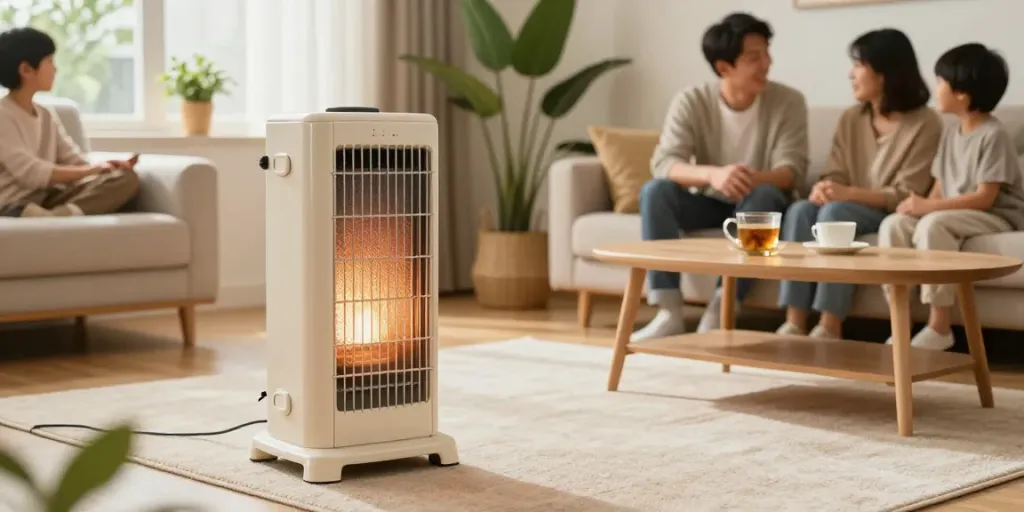
A ceramic heater is a type of electric heater that utilizes a ceramic core as a primary heating element. This core is designed to efficiently heat up and store warmth, which is then radiated into the surrounding space. Unlike traditional electric heaters, which primarily rely on convection to circulate warm air, ceramic heaters combine the benefits of both convection and radiant heating. They are often compact, making them suitable for various rooms in the home.
How Do Ceramic Heaters Work?
Ceramic heaters operate using electrical resistance heating principles. When electricity flows through the ceramic material, it heats up quickly because of its conductive properties. The electric current generates heat, which is subsequently transferred into the air via two primary methods: conduction and convection. The ceramic core retains heat even after the electricity is turned off, allowing for prolonged warmth without continuous power usage.
Key Benefits of Using a Ceramic Heater
- Energy Efficiency: Ceramic heaters convert nearly all electricity into heat directly at the point of use, minimizing energy loss.
- Fast Heating: They heat up quickly, providing immediate warmth in your living space.
- Heat Retention: The ceramic materials retain heat longer than typical electric heating elements, reducing the need for constant operation.
- Portability: Many ceramic heaters are lightweight and easy to move, allowing for flexible heating solutions throughout your home.
- Noise Levels: Most ceramic heaters operate quietly, making them ideal for bedrooms and workspaces.
Choosing the Right Ceramic Heater
Selecting the perfect ceramic heater involves understanding your specific heating needs and the unique features available in different models. Keep in mind that not all ceramic heaters are created equal, and understanding the various types can aid in making an informed decision.
Factors to Consider When Buying
- Size: Consider the size of the room. A heater that is too powerful may waste energy, while one that is too weak won't heat the space effectively.
- Wattage: Higher wattage typically indicates greater heat output. For instance, for a room of up to 12 square meters, a heater with 600 to 1200 watts is recommended.
- Features: Look for features like digital thermostats, timers, and programmable functions that enhance energy efficiency.
- Safety Features: Consider models with tip-over protection and overheat shut-off for added safety.
Different Types of Ceramic Heaters
There are various types of ceramic heaters, each suited for distinct applications:
- Freestanding Ceramic Heaters: These are versatile models that can be placed anywhere, providing warmth where it's needed most.
- Wall-Mounted Models: Ideal for saving floor space, these heaters are fixed to the wall and can fit seamlessly into your home's décor.
- Ceramic Panel Heaters: Slim and modern, these heaters are designed to sit close to walls, perfect for aesthetic appeal without sacrificing heat output.
- Fan-Forced Ceramic Heaters: Equipped with a fan, these models distribute heated air quickly throughout the room but may be slightly noisier than non-fan models.
Energy Efficiency and Cost Considerations
The operational costs of ceramic heaters depend on several factors, including wattage, electricity rates, and usage patterns. On average, a 1,000-watt ceramic heater will cost about 30 pence per hour to run, but efficient thermostats can reduce this cost significantly by cycling the heater on and off as needed. Additionally, ceramic heaters maintain warmth longer than oil heaters, which means they can operate with fewer cycles.
Installation and Safety Tips
Proper installation and adherence to safety protocols are essential for maximizing the effectiveness and longevity of your ceramic heater. Here are some guidelines to ensure safe and efficient usage.
How to Properly Install a Ceramic Heater?
- Positioning: Install your heater away from furniture and drapes to ensure unobstructed airflow. A location near a window can help combat drafts.
- Clearance: Maintain adequate clearance above, below, and around the heater to prevent overheating.
- Wall-Mounted Models: Use appropriate wall anchors and ensure securing brackets are installed firmly.
Common Safety Precautions to Follow
- Always monitor children and pets around electric heaters.
- Avoid using extension cords, which may overheat.
- Regularly inspect the cord and plug for damage.
- If your heater starts to emit a strange smell or makes unusual noises, turn it off immediately and seek assistance.
DIY vs. Professional Installation
Many ceramic heaters are designed for simple plug-and-play use, which allows for easy DIY installation. However, for hardwired models, it is advisable to hire a qualified electrician to ensure proper installation and compliance with electrical standards.
Maximizing the Use of Your Ceramic Heater
Understanding how to maximize your ceramic heater's efficiency can lead to significant energy savings and enhanced comfort in your home.
Programming and Scheduling Your Heater
Many modern ceramic heaters come with programmable features that allow users to set heating schedules. This means you can have the heater warm a room just before you arrive home, eliminating the need to heat an empty space.
Optimal Placement for Efficiency
Strategically placing your ceramic heater can dramatically improve its heating efficiency. Ensuring it is positioned to maximize airflow and is not obstructed by furniture will allow the heat to circulate more effectively.
Maintaining Your Ceramic Heater
Regular maintenance can extend the lifespan of your ceramic heater and maintain its efficiency. Keep the unit clean from dust and debris, check connections periodically, and ensure that all safety features are functional.
Frequently Asked Questions
Do ceramic heaters use a lot of electricity?
Ceramic heaters are generally efficient, utilizing energy only when necessary. However, their electricity usage largely depends on the wattage and the duration of use.
What are the common disadvantages of ceramic heaters?
While ceramic heaters offer many benefits, some drawbacks include limited heating capacity for very large rooms and potential noise from fan-forced models. Additionally, their performance might not be as effective in poorly insulated spaces.
Can you leave a ceramic heater on overnight?
While many ceramic heaters come equipped with safety features to prevent overheating, it is generally advisable not to leave any heater unattended overnight. Use programmable settings to ensure it operates only when needed.
Are ceramic heaters safe for pets?
Ceramic heaters can be safe for pets, but supervision is recommended, especially with young animals. Ensure that they cannot tip the heater over or access the hot surfaces.
What is the lifespan of a ceramic heater?
Most ceramic heaters have a lifespan of 5 to 10 years, depending on usage and maintenance. Regular cleaning and proper usage can help extend their operational life.