Understanding Mini Split AC Systems
As temperatures rise and energy efficiency becomes increasingly important, homeowners are exploring more versatile and efficient cooling solutions. One such solution is the mini split AC system, which has gained popularity due to its ability to provide targeted cooling and heating without the need for ductwork. This article delves into the intricacies of mini split ac systems, exploring their functionality, benefits, installation process, maintenance, and future trends to help you make an informed choice for your home.
What is a Mini Split AC?
A mini split air conditioner, often referred to as a ductless system, consists of two main components: an outdoor condenser and one or more indoor air handling units. Unlike traditional central air conditioning systems that use ducts to distribute cooled air, mini splits deliver air directly into rooms, allowing for more controlled temperature management. This design not only eliminates the need for extensive ductwork but also enhances energy efficiency, making mini split systems a preferred choice among homeowners.
Key Components of Mini Split Systems
Understanding the key components of a mini split AC system can help you appreciate its functionality:
- Outdoor Unit: Contains the compressor, fan, and coils necessary for heat exchange. It expels heat from the refrigerant, cooling the air that will be distributed indoors.
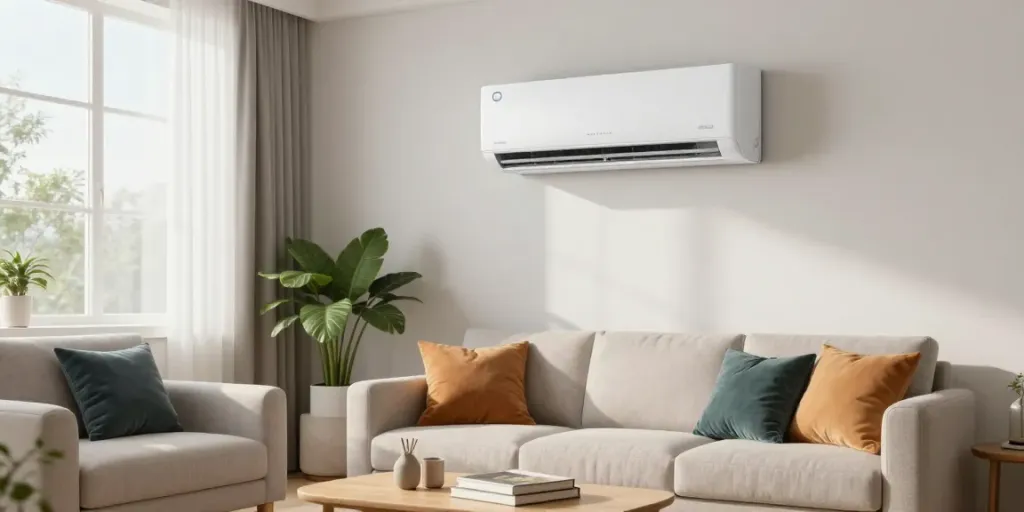
- Indoor Unit: This component is typically mounted on a wall or ceiling and contains the evaporator coil and fan. It blows cooled air into the living space.
- Refrigerant Lines: These insulated pipes connect the indoor and outdoor units, allowing refrigerant to flow and facilitate the cooling process.
- Remote Control: Most mini splits come with a remote control, enabling users to adjust settings from anywhere in the room.
Benefits of Choosing Mini Split AC
Choosing a mini split ac system comes with several advantages, particularly for households looking to improve comfort while reducing energy bills:
- Energy Efficiency: Mini splits often have higher SEER (Seasonal Energy Efficiency Ratio) ratings compared to traditional AC units, allowing for significant savings on energy costs.
- Flexible Installation: Without the need for ductwork, mini splits can be installed in various configurations, making them ideal for homes without existing duct systems.
- Zone Control: Mini splits allow for individual temperature control in different rooms, enhancing comfort and reducing energy waste.
- Quiet Operation: The outdoor unit operates quietly, and because the indoor units can be mounted high on walls or ceilings, the noise is less likely to disturb residents.
Installation and Setup
The installation of a mini split AC system can be straightforward, but it requires careful planning to ensure optimal performance. When exploring options, mini split ac models offer flexibility suitable for various spaces.
Steps to Install a Mini Split AC
Installing a mini split AC involves several key steps:
- Choosing the Right Size: Select an indoor unit with the correct BTU (British Thermal Unit) rating for the room size to ensure efficiency.
- Location Selection: Decide the placement of both the indoor and outdoor units for optimal airflow and accessibility.
- Mounting the Indoor Unit: Secure the indoor air handler to the wall or ceiling following manufacturer guidelines.
- Installing the Outdoor Unit: Place the outdoor unit on a stable surface, ensuring proper clearance for airflow.
- Connecting the Lines: Run the refrigerant lines between the units while ensuring they are insulated to prevent energy loss.
- Testing the System: Once installed, run the system to check for any leaks or operational issues.
Common Installation Mistakes to Avoid
To ensure a successful installation, avoid the following common pitfalls:
- Improperly sizing the unit, which can lead to inefficient cooling or heating.
- Neglecting proper insulation of refrigerant lines, causing energy loss.
- Installing the indoor unit too close to walls or obstacles, affecting airflow.
- Forgetting to secure outdoor units properly, which may lead to noise and vibration issues.
Professional vs. DIY Installation: What You Need to Know
While some homeowners may consider DIY installation to save costs, it's essential to weigh the pros and cons. Professional installation often comes with warranties and expert setup, ensuring optimal performance. However, if you possess HVAC knowledge and skill, DIY installation can be feasible, provided you follow all safety and manufacturer guidelines.
Energy Efficiency and Cost Savings
Energy efficiency is a primary consideration for many homeowners, particularly as electric bills rise. Mini split systems excel in this area, offering cutting-edge technology designed to minimize waste.
How Mini Split AC Saves Energy
Mini split AC systems achieve energy efficiency through several mechanisms:
- Inverter Technology: Many mini splits utilize inverter-driven compressors that adjust the cooling output based on the temperature needs, leading to reduced energy consumption.
- Zone Control Capabilities: By cooling only occupied areas, mini splits help avoid unnecessary energy use in vacant rooms, a feature traditional systems lack.
Comparative Cost Analysis with Traditional Systems
When comparing mini splits with traditional HVAC systems, consider both installation costs and long-term savings. Although initial costs for mini split systems may be higher, their energy efficiency can result in substantial savings over time, often offsetting the initial investment.
Calculating ROI on Your Mini Split Investment
To calculate your return on investment (ROI) for a mini split system, consider these factors:
- Initial installation costs versus potential energy bill savings.
- Any tax credits or rebates available for energy-efficient upgrades.
- Increased home value due to improved HVAC systems.
Maintenance and Troubleshooting
Regular maintenance is crucial for the longevity and efficiency of your mini split AC system. Simple tasks can prevent major issues and ensure top performance.
Routine Maintenance Tips for Mini Split AC
To keep your system operating effectively, follow these maintenance tips:
- Clean or replace air filters every few months to ensure proper airflow and air quality.
- Inspect and clean the outdoor unit regularly to remove debris and ensure efficient operation.
- Check refrigerant levels annually to prevent performance issues.
Common Issues and Solutions
Some common problems with mini split systems and their solutions include:
- Insufficient Cooling: Check the air filter and clean it if blocked, and inspect the refrigerant levels.
- Strange Noises: Ensure that the indoor and outdoor units are securely mounted and free from debris.
When to Call a Professional Technician
If you encounter persistent issues or require complex repairs, it's best to consult a professional technician to ensure the system operates safely and effectively.
Future of Mini Split Air Conditioning
As technology evolves, mini split systems are expected to become even more efficient and user-friendly, addressing homeowner needs in innovative ways.
Technological Advancements in Mini Split AC
Future advancements may include:
- Smart Technology: Integration with smart home systems for seamless operation and energy tracking.
- Enhanced Energy Efficiency: Development of even more efficient compressors and heat exchange technologies to lower energy usage.
2026 Trends: What Homeowners Should Expect
By 2026, trends indicate a shift toward eco-friendly refrigerants and greater focus on sustainable energy practices in HVAC systems, aligning with global efforts to combat climate change.
Expert Predictions for Mini Split Systems
Experts believe mini split systems will see expanded popularity as homeowners seek personalized climate control and energy savings. Furthermore, as infrastructure improves, installation costs may drop, making them more accessible to a broader audience.
What are the disadvantages of a mini split?
While mini split systems offer numerous benefits, they do come with some downsides, such as higher upfront costs and aesthetic concerns regarding the appearance of indoor units. Additionally, maintenance responsibilities fall on the homeowner, which can be a consideration for those seeking a low-maintenance HVAC solution.
Is a mini split AC worth it?
Investing in a mini split AC system is often worth it for homeowners seeking energy efficiency, comfort, and flexibility. The long-term savings on energy costs, combined with the versatility of zone control capabilities, typically justify the initial investment.
Why is my electric bill so high with mini split?
High electric bills can arise from several factors, including improper sizing of the system, lack of maintenance, or using the system excessively. Ensuring that your mini split AC is appropriately sized and regularly serviced can help mitigate high energy costs.
What's the average cost to put in a mini split?
The average installation cost for a mini split AC system can range from $2,000 to $7,000, depending on factors such as the number of indoor units, the difficulty of installation, and the specific model chosen. Keeping an eye on promotions and incentives can help reduce these costs.