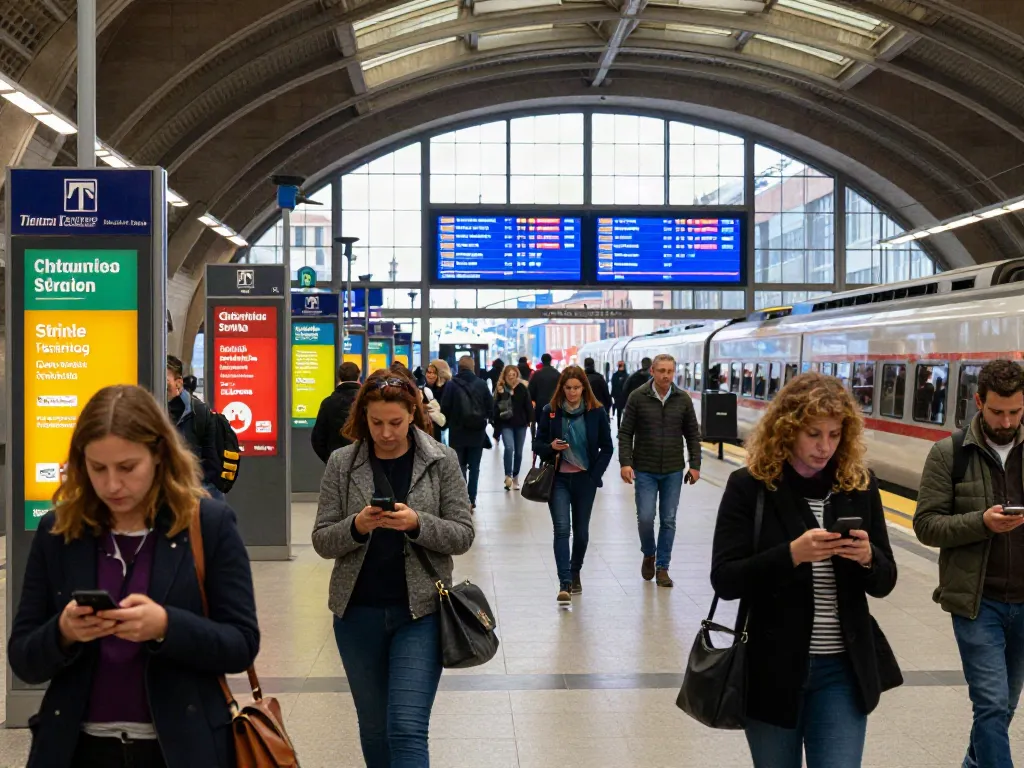
Understanding Sciopero: The Basics of Transport Strikes
In Italy, the term “sciopero” signifies more than just a disruption in transport; it embodies a crucial aspect of workers' rights and societal functions. With an array of strikes affecting trains, buses, and metro systems, understanding how to navigate these events is essential for commuters and the general public. Having the right information ahead of time can help you plan accordingly and minimize disruptions to your daily routine. When exploring options, Sciopero provides comprehensive insights into upcoming strikes, ensuring that you are always informed.
What is Sciopero and Its Significance?
"Sciopero" translates to "strike" in English, primarily referring to the organized cessation of work by a body of employees to express grievances or demands regarding working conditions, pay, or other employment terms. In the context of public transport, these strikes are significant as they disrupt the daily commute for millions of people across Italy, highlighting the broader struggles within labor relations.
The significance of these strikes lies not only in their immediate impact on transportation but also in their reflection of socio-economic issues. Strikes often emerge from underlying tensions between unions, government policies, and corporate entities. When transport workers protest, they aim to draw public attention to their plight, prompting discussions on labor rights and the necessity of fair working conditions.
Brief History of Strikes in Italian Transportation
Strikes in Italy's transport sector have a long-standing history, dating back to the early 20th century. The rise of industrial action in this sector can be attributed to significant historical events, including economic crises and labor movements. Notably, the 1968 student protests sparked a wave of solidarity strikes across various sectors, further embedding the culture of strike action within Italy.
Throughout the years, transport strikes have evolved, reflecting changes in legislation and labor rights. The late 20th century saw an increase in the frequency and duration of these strikes, often leading to public outcry and calls for reform. This historical context is essential for understanding current labor dynamics and the ongoing negotiations between transport providers and unions.
Legal Framework: Advance Notice Regulations
Italian law mandates that strikes must be announced at least 10 days in advance. This regulation aims to provide commuters with sufficient time to adjust their travel plans and seek alternative arrangements. The advance notice is crucial in reducing confusion and frustration among travelers.
Moreover, the legal framework surrounding strikes includes provisions to ensure that essential services, particularly in public transport, remain operational during labor disputes. These regulations are designed to balance the rights of workers to strike while minimizing disruptions to everyday life for citizens who rely on these services.
Real-Time Notifications: Key Features of the Sciopero App
In the digital age, effective communication has become vital for navigating transport disruptions. The Sciopero app offers real-time notifications regarding strikes, enabling users to stay updated on developments affecting their daily commutes. The app is designed to provide critical information at your fingertips, ensuring that you are always prepared.
How Push Notifications Work for Strikes
Push notifications are a core feature of the Sciopero app, designed to deliver timely alerts about upcoming strikes based on user preferences. When a strike is announced, users receive instant notifications on their mobile devices, helping them avoid last-minute scrambles for alternate travel options.
These notifications can include details such as the nature of the strike, affected transport services, and expected durations. By providing precise information, the app significantly enhances users' ability to plan ahead effectively.
Customizing Notifications for Your Regions
Users can personalize their notification settings within the Sciopero app to receive updates specifically tailored to their regions and preferred transport modes. This customization ensures that users are not overwhelmed with irrelevant information while still remaining informed about strikes that directly impact their daily journeys.
By selecting individual regions and transport types, such as trains, buses, or schools, users can streamline their notification experience, keeping them focused on what matters most to them.
User Experiences: Feedback from Commuters
User testimonials highlight the value of the Sciopero app in enhancing commuting experiences. Many commuters express appreciation for the app's efficiency, noting that the timely alerts eliminated uncertainties when planning travel during strike periods. Positive feedback often mentions the user-friendly interface and the clarity of information provided.
Moreover, users find the ability to visualize real-time strike locations on an interactive map particularly useful when determining the best routes or alternative transportation methods during disruptions.
Planning Your Travel Around Strikes
Effective travel planning is vital for minimizing the effects of transport strikes. By utilizing the information provided by the Sciopero app and other resources, commuters can navigate potential disruptions with greater ease and assurance.
Strategies for Avoiding Disruptions
To avoid disruptions during strikes, commuters should consider the following strategies:
- Stay Informed: Regularly check notifications and updates from the Sciopero app to stay ahead of any announcements.
- Plan Alternative Routes: Identify and plan alternative routes or transport modes in advance, allowing for a smooth transition should a strike occur.
- Travel Off-Peak: If possible, schedule travel during off-peak hours when strikes are less likely to coincide with your plans.
Utilizing Strike Information for Efficient Travel
The availability of comprehensive strike information enables commuters to make informed decisions, adjusting their travel plans proactively rather than reactively. Whether it involves shifting travel times or opting for different transport methods, understanding strike patterns and historical data can greatly enhance commuting efficiency.
Utilizing the strike data allows commuters to take informed risks rather than face uncertainty on the day of travel. This proactive approach not only saves time but also reduces stress associated with last-minute changes.
Case Studies: Successful Commuting Strategies
Several case studies have illustrated effective commuting strategies in light of transport strikes. For instance, a group of workers at a major corporation in Milan started carpooling during anticipated strikes, significantly reducing their commuting stress and ensuring they arrived on time. Similarly, students living in areas with frequent bus strikes have formed study groups to collaborate on alternative transportation arrangements.
These examples highlight practical solutions that can be implemented by commuters, emphasizing the importance of community and cooperation in overcoming transport disruptions.
The Future of Transportation Strikes in Italy: Trends and Predictions
As we look toward the future, it's essential to consider the evolving landscape of transportation strikes in Italy. Changes in social, economic, and technological factors will likely continue to shape how strikes are conducted and managed.
Emerging Patterns in Italian Transport Strikes
Recent trends suggest a growing movement toward more strategic and organized strikes. Unions are increasingly leveraging digital platforms to raise awareness of their causes and mobilize support. Additionally, the impacts of global events, such as pandemics and economic fluctuations, may result in more frequent strikes as workers react to changing conditions.
This shift toward organized communication may lead to better management of strikes, with less disruption to the public while still addressing workers’ grievances effectively.
Technological Innovations Shaping the Future
Technological advancements are poised to play a pivotal role in the management of strikes. The continued evolution of mobile apps, social media, and real-time communication will facilitate better planning and coordination between unions and transport authorities. Innovations in data analytics can provide deeper insights into strike patterns and communication preferences, enhancing the effectiveness of strike notifications.
Technology is also enabling greater transparency in labor negotiations, which could lead to fewer strikes as parties work to address issues before they escalate.
How Policy Changes May Affect Strikes and Commuters
Policy shifts related to labor rights, public service regulations, and transport management will significantly influence the future landscape of strikes. Changes in laws governing strikes could provide stronger support for negotiators and possibly give rise to alternative dispute resolution methods, reducing the frequency of conflicts.
Finally, the collaboration between government bodies, unions, and public transport agencies will be critical in creating an environment where strikes are less frequent but still respect workers' rights and needs.
FAQs on Sciopero and Transportation Strikes
What should I do if a strike is announced?
If a strike is announced, check the Sciopero app for real-time updates, alternative routes, and expected durations to adjust your travel plans accordingly.
How can I receive notifications for multiple regions?
You can customize your preferences in the Sciopero app to receive notifications for multiple regions simultaneously, ensuring that you stay informed regardless of where you are traveling.
Are there any costs associated with the Sciopero app?
The Sciopero app is completely free to download and use. There are no subscription fees or hidden costs associated with receiving notifications.
How accurate are the strike predictions?
The accuracy of strike predictions relies on reliable information sourced directly from transport authorities and union announcements. The Sciopero app aims to provide real-time updates, reflecting the latest developments.
Can I contribute feedback on strike notifications?
Yes, users are encouraged to provide feedback on their experiences within the app. This input helps improve the app's functionality and the relevance of notifications.