Understanding Hair Transplant Malaysia
As the quest for youthful appearance continues to drive individuals towards innovative cosmetic solutions, hair transplants have emerged as a popular choice, particularly in Hair Transplant Malaysia. With advancements in medical technology and a growing awareness of various hair restoration methods, many are finding that these procedures offer substantial benefits in restoring not just hair, but also confidence. Hair transplants are no longer limited to those with severe baldness; they have become a viable option for men and women experiencing various forms of hair loss.
What is a Hair Transplant?
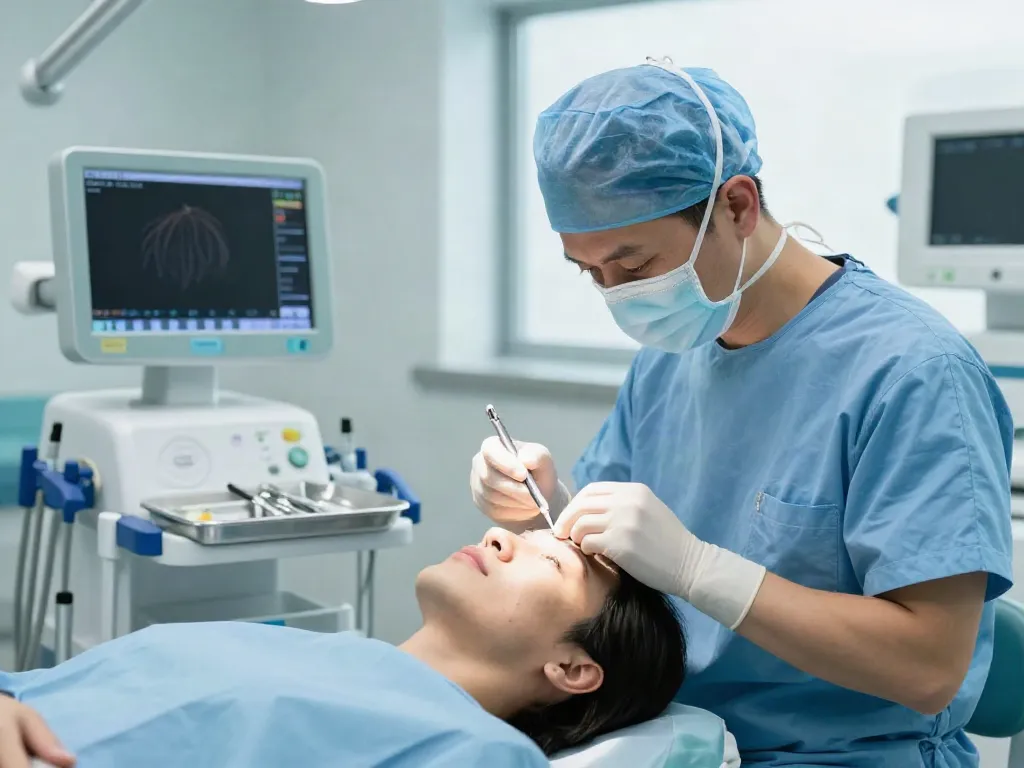
A hair transplant is a surgical procedure where hair follicles are relocated from one part of the body, typically the back or sides of the scalp, to areas experiencing thinning or balding. This procedure is particularly beneficial because it utilizes hair that is genetically resistant to loss, ensuring the results are both natural and permanent. Modern hair transplant techniques have evolved significantly, allowing for minimally invasive procedures that require only local anesthesia and offer rapid recovery.
Types of Hair Transplant Techniques Available
In Malaysia, several hair transplant techniques are popular, each with its unique advantages:
- Follicular Unit Extraction (FUE): This technique involves extracting individual hair follicles directly from the scalp using a small punch tool. It leaves minimal scarring and allows for quicker recovery.
- Follicular Unit Transplantation (FUT): Also known as the strip method, this technique involves removing a strip of scalp from the donor area and then dissecting it into individual grafts. It is often more cost-effective for larger sessions.
- Direct Hair Implantation (DHI): A refined version of FUE, this method uses a pen-like tool to extract and implant hair follicles simultaneously, often resulting in higher graft survival rates.
- Robotic Hair Transplant: This advanced technique employs robotic systems to aid in the extraction and placement of hair follicles, ensuring precision and consistency, especially for larger sessions.
Evolution and Trends in Hair Transplantation
The field of hair transplantation has seen remarkable advancements, particularly in the last decade. Techniques have transitioned from being invasive, leaving visible scars, to minimally invasive procedures that prioritize patient comfort and aesthetic outcomes. Moreover, with the advent of robotic assistance and enhanced imaging technologies, surgeons are now able to achieve unprecedented levels of precision, tailoring each procedure to the individual’s unique hair growth patterns.
SMART™ FUE: The Advanced Technique
How SMART™ FUE Differs from Traditional Methods
SMART™ FUE is a proprietary technique developed by GLOJAS Specialist Clinic, representing the zenith of hair transplant technology in Malaysia. Unlike traditional FUE, which can be time-consuming and less predictable, SMART™ FUE offers a streamlined process that maximizes follicle survival and aesthetic outcomes. This technique allows for the extraction and implantation of hair with precise control over angle, depth, and density, resulting in a more natural appearance.
The Step-by-Step Process of SMART™ FUE
The SMART™ FUE procedure follows several key steps:
- Consultation: Patients undergo a thorough evaluation to establish their goals and assess the extent of hair loss.
- Preparation: The donor area is prepared by trimming the hair and applying local anesthesia to ensure patient comfort.
- Follicle Extraction: Using a specialized tool, individual hair follicles are extracted from the donor site.
- Implantation: The extracted follicles are then meticulously implanted into the recipient area, following specific patterns to ensure a natural hairline.
- Post-Procedure Care: Patients receive detailed aftercare instructions to facilitate healing and optimize results.
Benefits and Potential Drawbacks of SMART™ FUE
While SMART™ FUE boasts numerous advantages, it is essential to consider both benefits and potential drawbacks:
- Benefits:
- Potential Drawbacks:
Cost Considerations for Hair Transplant Malaysia
Typical Pricing for Various Techniques
Understanding the costs associated with hair transplants is crucial for prospective patients. In Malaysia, hair transplant prices can vary significantly based on the technique used:
- FUE: Prices range from RM5,000 to RM30,000 depending on the number of grafts.
- FUT: Typically more affordable on a per-graft basis, with total costs averaging between RM8,000 and RM25,000.
- DHI: This method may be more expensive due to its advanced nature, with prices starting around RM10,000.
Factors Influencing Hair Transplant Costs in Malaysia
Several factors can influence the cost of hair transplants:
- The technique used (FUE, FUT, DHI).
- The total number of grafts required for optimal results.
- The experience and credentials of the surgeon.
- Location of the clinic and its reputation.
- Additional treatments or consultations required.
Understanding Financing and Payment Options
Many clinics in Malaysia offer flexible financing options to help patients manage the cost of hair transplants. These may include:
- Payment plans that allow for installment payments.
- Access to medical loans through third-party financial institutions.
- Credit card payment options with promotional interest rates.
Who is an Ideal Candidate for Hair Transplantation?
Assessing Your Suitability for Hair Transplant
Not everyone is a suitable candidate for a hair transplant. Ideal candidates typically possess:
- A sufficient supply of donor hair from the back and sides of the scalp.
- Stable hair loss patterns that can help predict future hair growth.
- Realistic expectations about the results of the procedure.
- Overall good health that allows for safe surgical procedures.
Common Reasons for Hair Loss Among Men and Women
Hair loss affects individuals differently, and understanding the underlying causes is important for addressing the issue. Common reasons include:
- Genetic predisposition (androgenetic alopecia).
- Hormonal changes or imbalances.
- Medical conditions such as thyroid disorders or alopecia areata.
- Physical or emotional stress factors.
Consultation Process: What to Expect
During the consultation, patients can expect a comprehensive evaluation that includes:
- A detailed discussion of medical history and reasons for hair loss.
- An examination of hair and scalp conditions.
- Personalized recommendations on the most suitable techniques and realistic expectations of results.
Post-Procedure Care and Expectations
Immediate Aftercare Following Hair Transplant
Post-operative care is crucial for achieving optimal results following a hair transplant. Key aspects include:
- Keeping the scalp clean and avoiding strenuous activities for a few days.
- Using prescribed medications to reduce inflammation and promote healing.
- Avoiding exposure to direct sunlight on the scalp for a limited period.
Long-Term Hair Care Tips for Optimal Results
To maintain the health of transplanted hair, individuals should follow long-term care recommendations:
- Regularly shampooing with mild, natural products.
- Hydrating the scalp and hair to support healthy growth.
- Scheduling follow-up appointments with the surgeon to monitor progress.
Monitoring Your Hair Growth Journey
After the procedure, it's essential to monitor hair growth and be patient, as newly transplanted hair typically takes several months to start growing. Keeping a journal of progress can help track changes over time and provide reassurance during the growth phase.
What can you Expect After a Hair Transplant?
Patients can generally expect:
- Initial shedding of transplanted hair within the first few weeks.
- Gradual hair growth beginning around three to four months post-procedure.
- Full results typically visible within 12 to 18 months.
Common FAQs About Hair Transplant Malaysia
As interest in hair transplants grows, so do the questions surrounding them. Some common FAQs include:
- How long does the procedure take? A typical session can last between 4 to 8 hours, depending on the technique and number of grafts.
- Is it painful? Local anesthesia is used, so discomfort is minimal during the procedure.
- Are there risks involved? As with any surgery, potential risks include infection, scarring, and uneven results, but these are rare when performed by experienced professionals.
Can Hair Transplants Be Covered by Insurance?
Generally, hair transplants are considered cosmetic procedures and are not covered by insurance. However, certain cases, such as reconstruction after trauma or disease, may qualify for coverage. Always check with your provider for specific policy details.
What Are the Risks Involved in Hair Transplants?
While hair transplants are safe, potential risks may include:
- Infection at the extraction or implantation site.
- Scarring, particularly with FUT.
- Unnatural-looking hairlines if not properly executed.
How to Choose the Right Hair Transplant Clinic?
Selecting the right clinic is critical. Considerations should include:
- Clinic accreditation and surgeon credentials.
- Patient reviews and before/after photos.
- Consultation processes and transparency regarding costs.
Are There Any Alternatives to Hair Transplants?
In addition to hair transplants, various alternatives exist, such as:
- Medications like minoxidil (Rogaine) and finasteride (Propecia).
- Low-level laser therapy (LLLT) for stimulating hair growth.
- Non-surgical treatments such as PRP (platelet-rich plasma) therapy.