Introduction to the Manaslu Circuit Trek
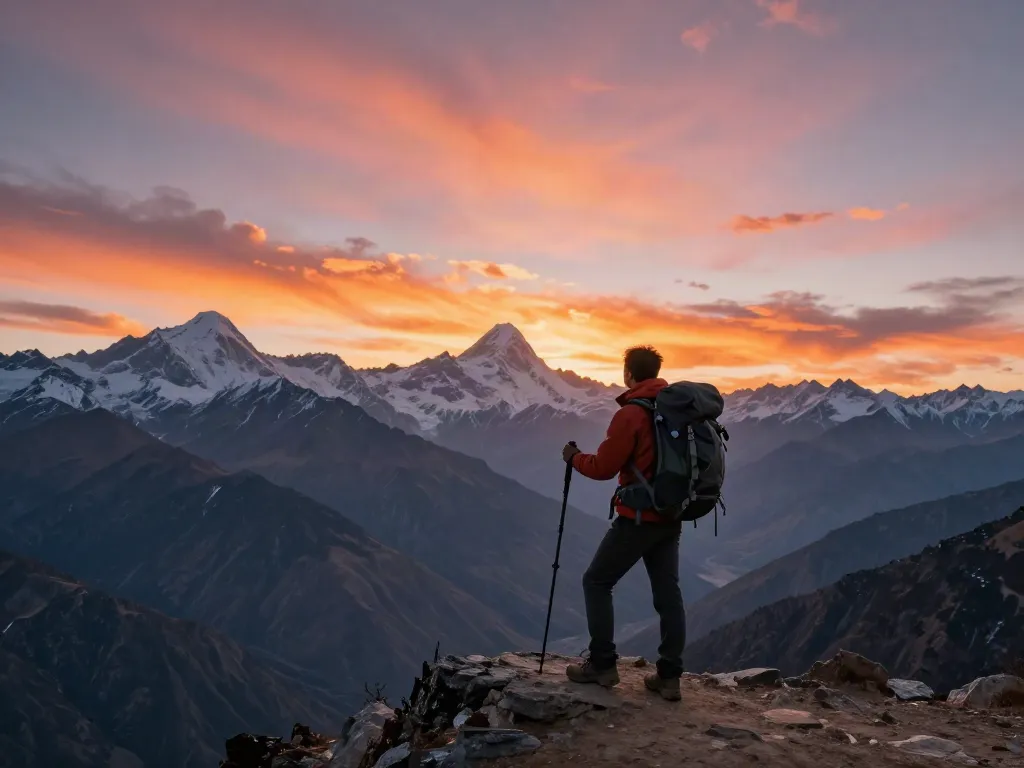
The Manaslu Circuit Trek is a thrilling adventure that combines breathtaking landscapes with cultural richness in one of Nepal's most remote and unspoiled regions. Nestled around the majestic Mount Manaslu, the trek offers a unique experience that contrasts the more popular trails of Everest and Annapurna. With a rich tapestry of diverse cultures, stunning mountain vistas, and intricate wildlife, it stands as a testament to the natural beauty that Nepal can offer. As you embark on this journey, you'll traverse historical paths, quaint villages, and sacred monasteries, immersing yourself in local traditions and the welcoming hospitality of the Gurung and Tibetan communities.
For those considering this incredible journey, detailed insights can enhance your planning. When exploring options, trek to Manaslu Circuit provides comprehensive insights into what to expect, from itinerary highlights to essential packing lists.
Preparing for Your Manaslu Circuit Adventure
Essential packing list for the trek to Manaslu Circuit
Preparation is key to ensuring a successful trekking experience on the Manaslu Circuit. A comprehensive packing list will help you cover all essentials for this 15-day journey. Start by focusing on clothing suitable for varying altitudes and weather conditions. Layering is crucial; pack moisture-wicking base layers, insulating mid-layers, and waterproof outer shells. Don't forget to add trekking shoes, warm socks, and a hat.
Your essentials should also include a robust sleeping bag rated for high altitudes, trekking poles, a daypack, and hydration systems. Additionally, carry a first aid kit, sunscreen, and insect repellent. Proper preparation prevents problems during your trek, allowing you to enjoy the stunning views and experiences along the way.
Physical preparation and fitness requirements
The Manaslu Circuit Trek is considered moderately challenging, requiring a good level of physical fitness. It's essential to engage in regular cardio and strength training exercises leading up to your departure. Hiking in similar terrains, even if not at altitude, can help condition your body to the demands of the trek.
A general guideline is to aim for at least three to four days a week of training, with activities such as running, cycling, or stair climbing, plus long hikes on weekends to build endurance. Emphasizing leg strength will support your climbing efforts as you tackle steep ascents and descents along the route.
Booking process and permit regulations
Booking your trek involves several important steps, including securing the necessary permits. The Manaslu Circuit requires a Restricted Area Permit (RAP) due to its location in a protected region. This permit, along with the Manaslu Conservation Area Permit (MCAP) and a Trekkers' Information Management System (TIMS) card, must be arranged prior to your trek.
Working with a licensed trekking agency, like Ace the Himalaya, simplifies this process, ensuring all necessary documentation is organized. It's advisable to book your trek several months in advance to secure your spot and arrange any additional services, such as guides and porters.
Navigating the Itinerary: Day-by-Day Breakdown
Overview of the 15-day trek itinerary
The Manaslu Circuit Trek spans 15 days, starting with your arrival in Kathmandu and concluding with your return to the city after completing the trek. Each day is carefully planned to balance trekking distances with adequate acclimatization, ensuring a gradual ascent to higher altitudes.
Typical highlights include driving from Kathmandu to Machha Khola, where the trek officially begins. Subsequent days feature stops in picturesque villages such as Jagat, Deng, Namrung, and Lho, before a significant acclimatization day at Samagaon, where trekkers can explore Birendra Lake and the base camp of Mount Manaslu.
Highlighting key attractions along the circuit
Each segment of the trek offers unique highlights. For instance, crossing the Larkya La Pass is a major highlight, where trekkers encounter spectacular views of the surrounding peaks, including the majestic Manaslu itself. The cultural richness of the region adds layers to the experience; trekkers will engage with local communities and witness traditional practices that have been maintained for generations.
Acclimatization strategies for altitude fitness
Acclimatization is critical when trekking at high altitudes to prevent altitude sickness. The itinerary is structured to include dedicated acclimatization days, particularly at Samagaon. During these rest days, it's recommended to hike to higher altitudes and return, allowing your body to adjust to the decreased oxygen levels.
Staying hydrated, consuming high-carbohydrate meals, and understanding the symptoms of altitude sickness are also essential strategies. Make sure to listen to your body and consult your guide if you experience any concerning symptoms.
Experiencing Local Culture and Nature
Interactions with local communities on the trek
One of the most enriching aspects of the Manaslu Circuit Trek is the opportunity to interact with local communities. The ethnic groups, including the Gurung and Tibetan peoples, offer a warm welcome to trekkers. Visitors can learn about traditional customs, participate in local fairs, and even experience homestays in some villages.
These interactions provide insights into the unique lifestyle, challenges, and celebrations of the mountain communities, enhancing the trekking journey beyond the physical exertion.
Wildlife and natural beauty in the Manaslu region
The Manaslu region is not only a trekking paradise but also a haven for biodiversity. The Manaslu Conservation Area is home to rare species such as the snow leopard, red panda, and various birds endemic to the Himalayas. Trekking through lush forests and alpine meadows, hikers may spot wildlife, especially during quieter times of the day.
The stunning natural beauty, combined with the tranquility of the less-traveled paths, offers a mesmerizing backdrop that enhances the trekking experience.
Cuisine and meals during the trek to Manaslu Circuit
Dining on the Manaslu Circuit is an adventure in itself. While trekking, meals are typically served in local teahouses, where traditional Nepali dishes like dal bhat (rice and lentils) provide necessary energy for the trek. Many establishments offer Western cuisine options, but sticking to vegetarian meals is often advisable due to food safety and availability.
Tea and snacks along the way are also a highlight, providing opportunities to refuel and enjoy stunning views of the mountains while interacting with fellow trekkers.
Safety, Challenges, and Tips
Understanding altitude sickness and safety measures
Altitude sickness is a common concern for many trekkers, particularly those new to high-altitude hiking. Recognizing the symptoms (headaches, nausea, dizziness) and employing preventive measures, like proper acclimatization, are essential. Always consult your guide if you feel unwell or unsure about your condition.
Travel insurance, including coverage for high-altitude trekking, is highly recommended. Additionally, keeping a first aid kit with essential medications can provide peace of mind during the trek.
Weather considerations for trekking in 2026
The weather plays a significant role in trekking experiences, and the Manaslu Circuit is no different. The best times to trek are during spring (March to June) and autumn (September to November) when the weather is generally stable, with clear skies and moderate temperatures. Be prepared for sudden weather changes, especially at higher altitudes.
Checking local forecasts before starting your trek can help with planning daily activities and adjusting your itinerary accordingly.
Top tips for a successful trek to Manaslu Circuit
- Arrive in Nepal a few days early to acclimatize and prepare.
- Stay hydrated and maintain a balanced diet during the trek.
- Respect the local culture and traditions; be mindful of your clothing choices in villages.
- Keep your gear organized and ensure you have emergency supplies on hand.
- Engage with your guides and porters; their experience is invaluable.
What is the difficulty level of the Manaslu Circuit Trek?
The Manaslu Circuit Trek is classified as moderately challenging, requiring trekkers to have a good level of fitness. Daily trekking hours range from 5 to 8 hours, with some long days as you approach high-altitude passes. Depending on your pace and acclimatization, the difficulty level can vary.
Can beginners successfully trek the Manaslu Circuit?
While the Manaslu Circuit is achievable for beginners, it's crucial that novice trekkers undertake a physical training program before the trek. Good fitness will help adapt to the rigorous demands of the trail. Trekking with an experienced guide also adds to overall safety and enjoyment, providing support and encouragement during challenging sections.
How long does it typically take to complete the Manaslu Circuit?
A standard itinerary for the Manaslu Circuit Trek spans 15 days, allowing for acclimatization, rest, and exploration of key sights. This timeframe provides sufficient opportunities to relax and enjoy the stunning landscape without rushing, ensuring a memorable experience.
Is it possible to trek the Manaslu Circuit without a guide?
Trekking in the Manaslu region requires a licensed guide due to its status as a restricted area. Independent trekking is not permitted, so hiring a reputable agency is essential for obtaining permits and ensuring your safety on the trail.
What are the costs associated with the trek to Manaslu Circuit?
The cost of the Manaslu Circuit Trek varies based on several factors, including the choice of trekking agency, time of year, and additional services like guides and porters. Generally, a budget of about $1500 to $2500 is recommended, covering permits, accommodation, meals, and transportation.