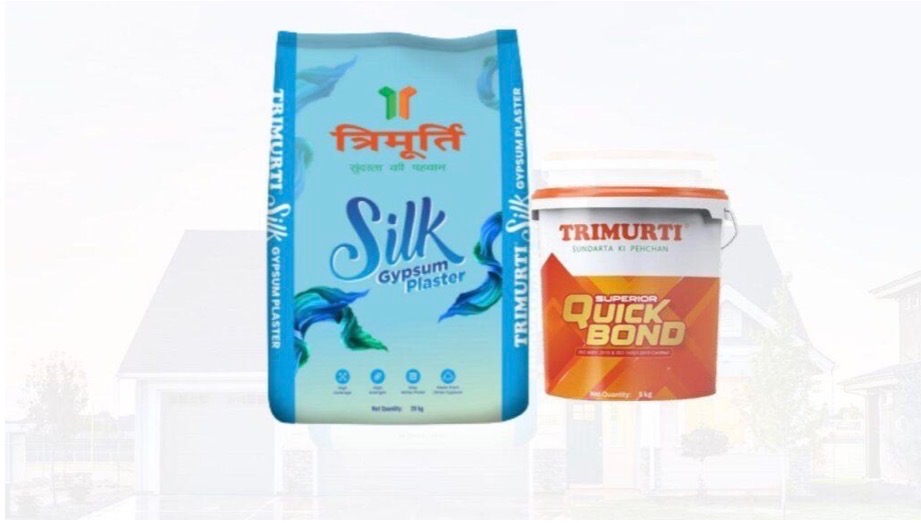
A well-designed interior is not defined only by furniture, lighting, or decoration. The quality of walls plays a major role in creating a refined and long-lasting appearance. Behind every smooth surface lies careful preparation, suitable materials, and skilled application. Modern construction practices increasingly rely on advanced finishing solutions such as pop material to create elegant surfaces while improving efficiency and overall finish quality.
Wall finishing has evolved significantly over the years. Earlier methods focused mainly on covering uneven surfaces, but today’s solutions aim to improve strength, moisture resistance, appearance, and maintenance performance. Whether used in homes, offices, hotels, or commercial spaces, the right finishing approach helps create interiors that remain attractive and durable for years.
The Evolution of Modern Wall Finishing
Wall finishing has moved from basic plastering techniques to more advanced systems designed for better performance. Changing architectural preferences have encouraged builders to explore materials that offer smoother textures, faster application, and improved durability.
Modern interiors demand clean lines, detailed designs, and flawless surfaces. Achieving these results requires more than just paint application. The foundation beneath the paint must be properly prepared to ensure consistency and long-term stability.
Advanced finishing materials help reduce surface imperfections and create a stronger base for decorative treatments. This transformation has made wall preparation an important part of the overall construction process rather than just a final cosmetic step.
Importance of Choosing Suitable Materials
Every construction project has unique requirements based on location, usage, and environmental conditions. Selecting the right wall finishing material ensures better performance and reduces future repair needs.
Materials used in dry interiors may have different requirements compared to spaces exposed to humidity or temperature variations. A proper understanding of these conditions helps professionals select solutions that provide better resistance and longer service life.
The quality of finishing materials directly influences the appearance and strength of walls. Poor-quality materials may result in cracks, uneven textures, or surface deterioration, while carefully selected products help maintain a smooth and stable finish.
Role of Skilled Material Manufacturing
Behind every reliable construction product is a detailed manufacturing process focused on consistency and quality. Manufacturers invest in research, testing, and improved formulations to meet changing industry demands.
Experienced pop manufacturers focus on producing materials that deliver uniform performance across different applications. Consistency in composition helps ensure better workability,smoother finishes, and improved results during installation.
Quality manufacturing also involves strict testing procedures that evaluate strength, setting time, durability, and compatibility with other construction materials. These factors play an important role in helping professionals achieve dependable finishing outcomes.
Creating Smooth And Attractive Surfaces
A smooth wall surface enhances the overall visual appeal of any space. However, achieving this level of perfection requires proper preparation before final decoration begins.
Uneven walls, minor cracks, and surface irregularities can affect the final appearance of painted interiors. Finishing materials help correct these imperfections and create a balanced surface that reflects light evenly.
The application process also influences the final result. Proper mixing, suitable tools, and skilled techniques ensure that materials spread evenly without creating unwanted marks or inconsistencies. A carefully finished wall not only looks better but also provides a stronger foundation for future maintenance and upgrades.
Protecting Walls Against Environmental Challenges
Walls are constantly exposed to environmental factors such as moisture, temperature changes, and daily wear. Without proper protection, these conditions can gradually weaken surfaces and affect interior quality.
Moisture is one of the biggest concerns in wall maintenance. Water penetration can lead to peeling paint, stains, and structural deterioration. Modern finishing systems focus on creating protective layers that improve resistance against such issues.
Solutions like Trimurti waterproof putty help enhance surface protection by improving resistance against moisture-related problems while providing a smoother base for finishing applications. Proper wall protection reduces maintenance requirements and helps preserve the appearance of interiors for longer periods.
Sustainable Approach To Construction Materials
Sustainability has become an important consideration in the construction industry. Builders are increasingly looking for materials that provide long-lasting performance while reducing waste and maintenance requirements.
Durable finishing solutions contribute to sustainability by extending the life of surfaces and reducing the need for frequent renovation work. Efficient materials also support faster application, helping reduce resource consumption during construction.
The future of wall finishing will continue to focus on solutions that combine performance, efficiency, and environmental responsibility.
Improving Efficiency Through Better Solutions
Construction timelines are becoming increasingly demanding, making efficiency an important factor in material selection. Professionals need solutions that deliver reliable results without unnecessary delays. Using high-quality pop material can support faster application while maintaining smooth and consistent finishing results.
Advanced wall finishing materials help improve workflow by offering better consistency and easier application. When combined with proper techniques, they allow projects to achieve high-quality finishes within planned schedules.
Better efficiency does not mean compromising quality. Instead, it involves selecting materials and methods that support both productivity and durability.
Building Long Lasting Interior Spaces
The quality of walls influences the comfort, appearance, and value of any building. Strong finishing systems create interiors that remain visually appealing while requiring less maintenance over time.
From material selection to application techniques, every stage contributes to the final outcome. Careful planning and the use of reliable products help prevent common issues and improve overall construction quality.
As building standards continue to evolve, the focus is shifting toward solutions that provide lasting performance rather than temporary improvements.
Conclusion
Modern wall finishing is an essential part of creating durable and attractive interiors. The combination of quality materials, proper preparation, and skilled execution helps achieve surfaces that remain smooth, protected, and visually appealing for years. Using reliable solutions such as Trimurti waterproof putty further enhances wall strength and helps maintain a refined finish even in challenging environmental conditions.
From advanced surface preparation solutions to moisture-resistant finishing systems, every component contributes to better construction outcomes. Companies like Trimurti Products continue to support this progress by offering solutions designed to meet the changing needs of modern building projects.