Understanding Brain Tumor Surgery
Brain tumor surgery, a critical intervention for both benign and malignant tumors, has evolved significantly with advancements in medical technology and surgical techniques. This procedure not only aims to remove the tumor but also to preserve essential brain functions and enhance patient outcomes. Understanding the intricacies of brain tumor surgery is vital for patients, caregivers, and healthcare professionals alike. In the following sections, we will explore the types of brain tumors treated, the importance of early diagnosis, and the stages of surgery—offering valuable insights into this complex yet essential medical procedure. For those interested in comprehensive insights regarding beyin tümörü ameliyatı, this article seeks to enlighten and inform.
What is Brain Tumor Surgery?
Brain tumor surgery involves the removal of a tumor from the brain, which can be categorized into two main types: benign and malignant tumors. Benign tumors, while non-cancerous, can still lead to increased intracranial pressure or other neurological issues depending on their location. Malignant tumors, on the other hand, are cancerous and can invade surrounding brain tissue, leading to a range of complications. The primary goal of brain tumor surgery is to excise as much tumor tissue as possible while preserving healthy brain function.
Types of Brain Tumors Treated
Brain tumors are classified into several types, with the most common being gliomas, meningiomas, and metastases from cancers occurring elsewhere in the body. Gliomas, which arise from glial cells, include sub-types such as anaplastic astrocytomas and glioblastomas. Meningiomas stem from the protective layers of the brain and are often benign. Metastatic brain tumors are secondary tumors that originate from cancer cells that have spread from another part of the body. Each type of tumor requires a different surgical approach and treatment plan tailored to individual patient needs.
Importance of Early Diagnosis
Early diagnosis of brain tumors can significantly improve surgical outcomes and overall survival rates. Symptoms such as persistent headaches, seizures, or changes in vision and cognition may indicate the presence of a brain tumor, prompting further investigation through imaging techniques like MRI or CT scans. Timely intervention is crucial, as it can prevent the tumor from reaching advanced stages where surgical options may be limited or more complicated.
Stages of Brain Tumor Surgery
The surgical process for brain tumor removal can be divided into several key stages, each critical for the success of the operation. These stages include preoperative assessment procedures, intraoperative techniques, and postoperative care. Understanding these stages helps patients and families prepare for the journey ahead and set realistic expectations.
Preoperative Assessment Procedures
Before embarking on surgery, thorough preoperative assessments are essential. These may include neurological examinations, advanced imaging studies, and consultations with various specialists. The aim is to assess the tumor's characteristics, including its size, location, and potential impact on surrounding brain structures. This comprehensive evaluation ensures that the surgical team is well-prepared and can formulate an effective surgical plan tailored to the patient's unique condition.
Intraoperative Techniques Explained
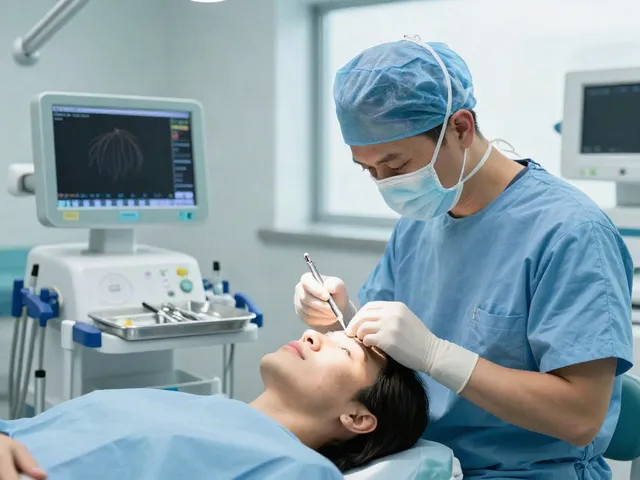
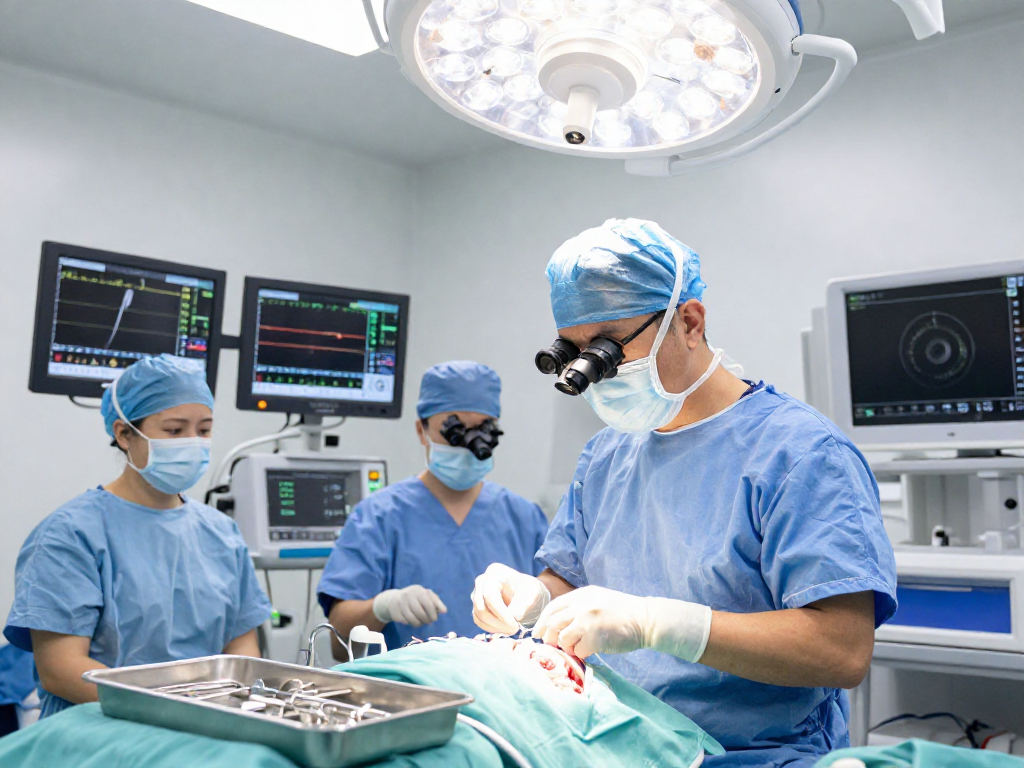
During the surgery, modern techniques such as neuronavigation and intraoperative imaging are employed to enhance precision. Neuronavigation allows surgeons to visualize the brain's anatomy in real-time, facilitating accurate tumor localization. In some cases, awake craniotomy is performed, where the patient is kept awake during specific parts of the surgery to monitor brain function actively. This approach minimizes the risk of damage to critical brain areas responsible for speech, movement, and other functions.
Postoperative Care and Monitoring
Postoperative care is crucial for recovery after brain tumor surgery. Patients are typically monitored in a specialized unit, where their neurological status and vital signs are assessed continually. Follow-up imaging, usually done through MRI, is performed within the first 24-48 hours to evaluate resection success and identify any complications. Patients may experience various symptoms, and supportive care is provided to manage pain, swelling, and other postoperative issues.
Risks Associated with Brain Tumor Surgery
While brain tumor surgery can lead to significant benefits, there are inherent risks associated with any surgical procedure. Understanding these risks helps patients make informed decisions regarding their treatment options.
Common Surgical Risks
Common risks include infection, bleeding, and complications from anesthesia. Neurological deficits may also occur, including weakness, numbness, or speech difficulties, depending on the tumor's location and the extent of surgery required. Patients should discuss these risks with their surgeon to understand the potential implications fully.
Long-term Effects and Recovery Concerns
Recovery from brain tumor surgery varies widely among individuals. Some patients may experience a quick return to normal activities, while others may require extensive rehabilitation, particularly if there were complications or significant neurological involvement. Long-term monitoring is essential to detect any recurrence of the tumor, especially in cases of malignant tumors.
Managing Patient Expectations
Setting realistic expectations pre- and post-surgery is vital for both patients and their families. Open communication with the surgical team can help address concerns and clarify the anticipated outcomes, timelines for recovery, and the ongoing need for follow-up care.
Technological Advances in Brain Tumor Surgery
Advancements in technology have revolutionized brain tumor surgery, making procedures safer and more effective. From sophisticated imaging techniques to minimally invasive surgical approaches, technology continues to evolve in this field.
Role of Neuronavigation Systems
Neuronavigation systems utilize preoperative imaging data to help guide surgeons during the procedure. This technology enhances the accuracy of tumor resections, reducing damage to adjacent healthy tissue and improving surgical outcomes.
Gamma Knife Surgery and its Benefits
Gamma Knife surgery represents a non-invasive option for treating specific types of brain tumors, particularly those that are difficult to access surgically. This technique uses precise radiation beams to target tumors, minimizing exposure to surrounding healthy tissue. Patients often appreciate the reduced recovery times associated with this method, making it a viable alternative to traditional surgical approaches.
Innovations in Minimally Invasive Techniques
Minimally invasive techniques, including endoscopic surgery, have gained popularity due to their efficiency and reduced recovery times. These methods involve smaller incisions and less disruption of brain tissue, resulting in shorter hospital stays and quicker returns to daily activities for patients.
Future Trends in Brain Tumor Surgery (2026 and Beyond)
As we look toward the future, advancements in brain tumor surgery are expected to continue, driven by research, technology, and a deeper understanding of tumor biology.
Personalized Treatment Approaches
Future paradigms in brain tumor treatment will likely focus on personalized medicine, tailoring therapies to the unique genetic profile of each tumor. Such approaches may involve targeted therapies aimed at specific mutations or characteristics of the tumor, enhancing the effectiveness of treatment.
Integration of AI in Surgical Procedures
Artificial intelligence (AI) is poised to play a significant role in improving surgical precision and outcomes. AI algorithms can analyze vast amounts of data, predicting potential complications and aiding surgeons in decision-making processes. This integration could streamline surgical workflows and enhance patient safety.
Research Developments and Clinical Trials
Ongoing research and clinical trials are critical for advancing brain tumor therapies. Investigations into novel drug therapies, immunotherapy, and combination treatments are essential to improving patient outcomes. Participating in clinical trials can offer patients access to cutting-edge treatments that may not yet be widely available.
What are the Expected Outcomes of Brain Tumor Surgery?
Expected outcomes of brain tumor surgery depend on various factors, including tumor type, size, and location, as well as the patient’s overall health. Early-stage tumors have a significantly better prognosis compared to advanced-stage tumors.
How to Prepare for Brain Tumor Surgery?
Preparation for brain tumor surgery involves thorough consultations with a healthcare team, understanding preoperative instructions, and making necessary lifestyle adjustments. Patients are encouraged to discuss their concerns and clarify any uncertainties with their surgical team.
What are the Signs of Complications After Surgery?
Patients and caregivers should be vigilant for signs of complications post-surgery, such as increased headache, seizures, or changes in neurological status. Prompt reporting of these symptoms can facilitate early intervention and prevent further complications.
How Long Does Recovery Take After Brain Tumor Surgery?
Recovery timelines can vary significantly based on individual circumstances, including the extent of the surgery. While some patients return to normal activities within weeks, others may require months of rehabilitation and support.
What Advancements are Being Made in Brain Tumor Treatment?
Brain tumor treatment is an active area of research, with ongoing advancements in surgical techniques, radiotherapy, and immunotherapy showing promise for improved care. For more information, beyin tümörü ameliyatı offers valuable insights. Staying informed about these developments can empower patients in their treatment journey.