
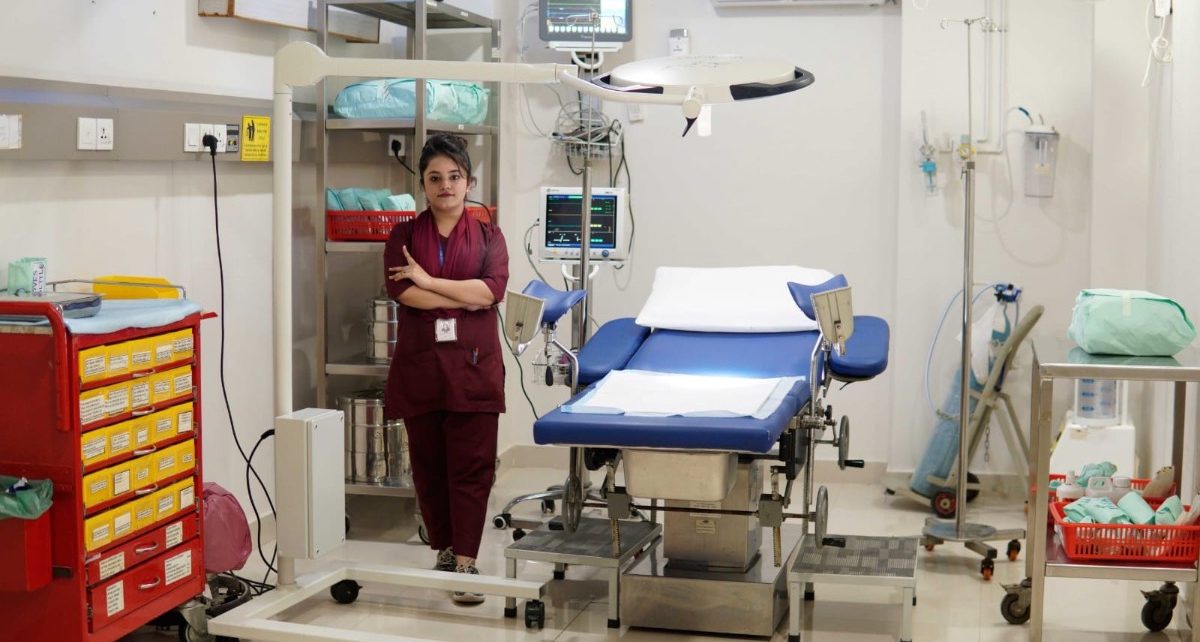
Pregnancy involves many important decisions, and one of the most significant is selecting the right healthcare facility for maternal care. The quality of medical support available throughout pregnancy can influence comfort, confidence, and overall well-being. Families often seek a center that combines experienced specialists, modern infrastructure, and personalized attention to support every stage of the journey.
From routine prenatal consultations to labor management and postnatal care, access to comprehensive services helps ensure continuity of treatment. Choosing a reliable hospital for delivery allows expectant mothers to receive coordinated care under the guidance of skilled professionals while preparing for a safe childbirth experience.
Understanding the Importance of Comprehensive Maternity Care
Quality maternity care begins long before labor starts. Regular prenatal visits help monitor maternal health, assess fetal growth, and identify concerns that may require medical attention. Consistent supervision enables healthcare providers to guide families through each trimester with greater clarity and reassurance.
Beyond clinical evaluations, maternity services often include nutritional guidance, diagnostic screenings, and personalized recommendations based on individual health requirements. A structured approach helps support both maternal wellness and healthy fetal development throughout pregnancy.
Early Assessment and Monitoring
Routine examinations provide valuable insights into the progress of pregnancy. Timely assessments help healthcare teams recognize potential concerns and create suitable care plans that support favorable outcomes.
Guidance Throughout Every Trimester
Each stage of pregnancy presents different needs. Ongoing medical supervision helps address physical changes, answer questions, and provide recommendations that align with evolving maternal requirements.
Preparing Families for Childbirth
Proper education and counseling allow families to better understand labor, recovery, and newborn care. This preparation often contributes to a more confident and informed experience.
Building Long-Term Trust
Strong communication between healthcare professionals and patients encourages transparency and comfort. Consistent support helps create a positive healthcare experience from the first consultation onward.
The Role of Advanced Diagnostic Services During Pregnancy
Modern pregnancy care relies heavily on accurate diagnostic evaluations. Imaging studies and fetal assessments allow specialists to observe developmental milestones, monitor growth patterns, and evaluate overall fetal well-being. Access to advanced technology enhances clinical decision-making throughout the pregnancy journey.
Detailed assessments can also help identify certain conditions that may benefit from additional monitoring. Early detection allows healthcare providers to develop appropriate management strategies while maintaining close observation when required.
Diagnostic support may include:
● Routine ultrasound evaluations
● Growth monitoring assessments
● Fetal well-being examinations
● Maternal health screenings
● Genetic counseling referrals when necessary
● Specialized evaluations for complex pregnancies
Reliable diagnostic services contribute significantly to informed medical planning and ongoing maternal confidence.
Managing High-Risk Pregnancies with Specialized Support
Certain pregnancies require enhanced monitoring due to factors such as pre-existing medical conditions, maternal age, multiple gestation, or previous pregnancy complications. These situations often benefit from the involvement of specialists with expertise in complex maternal and fetal care.
Coordinated healthcare teams can provide additional assessments, frequent monitoring, and individualized treatment plans tailored to specific circumstances. Such an approach supports proactive management while helping reduce potential risks associated with high-risk pregnancies.
Expectant mothers seeking a hospital for pregnant women often prioritize facilities that offer access to multidisciplinary specialists, advanced monitoring systems, and immediate medical assistance when necessary.
Why Newborn Care Facilities Matter
The moments following birth are critical for both mother and baby. While many newborns transition smoothly, some require specialized medical attention due to prematurity, low birth weight, respiratory concerns, or other health conditions. Access to dedicated neonatal services provides an added layer of preparedness.
Comprehensive newborn care capabilities help ensure that infants receive appropriate medical support whenever needed. Families often feel reassured knowing that specialized resources are available within the same healthcare environment if unexpected circumstances arise.
Support for Premature Infants
Premature babies may require close observation and specialized treatment. Dedicated neonatal teams are equipped to provide focused care designed to address unique developmental needs.
Continuous Clinical Observation
Advanced monitoring systems allow healthcare professionals to track vital signs and respond promptly to changes in a newborn’s condition when required.
Access to well-equipped neonatal facilities strengthens the overall maternity care experience while supporting positive outcomes during the earliest stages of life.
Women’s Healthcare Beyond Pregnancy
Women’s healthcare extends far beyond maternity services. A comprehensive healthcare facility often provides support for a wide range of gynecological and reproductive health concerns throughout different stages of life.
From adolescence through menopause, women may require evaluations, preventive screenings, hormonal assessments, and treatment for various conditions. Access to specialized care encourages early diagnosis and appropriate intervention when necessary.
Many healthcare providers offer services related to:
● Menstrual health concerns
● Reproductive wellness
● Fertility evaluation and treatment
● Preventive health screenings
● Hormonal health management
● Menopause-related support
Integrated healthcare services create continuity of care while helping women address changing healthcare needs over time.
Key Factors to Evaluate Before Making a Decision
Selecting a maternity healthcare provider involves careful consideration of several important factors. Families often benefit from evaluating both clinical capabilities and patient-centered services before making a final choice.
Medical expertise remains one of the most important considerations. Experienced obstetricians, gynecologists, fetal medicine specialists, and neonatal professionals contribute significantly to the quality of care delivered throughout pregnancy and childbirth.
Infrastructure and emergency preparedness also play a vital role. Modern facilities equipped with advanced technology, dedicated maternity units, and newborn care services help support efficient medical management when needed.
Additional aspects worth considering include:
● Availability of specialist consultations
● Access to advanced diagnostics
● Round-the-clock emergency support
● Coordinated maternal and neonatal services
● Patient comfort and privacy
● Clear communication from healthcare teams
A thoughtful evaluation process helps families identify a healthcare partner capable of supporting both routine and complex maternity needs.
Final Thoughts
Searching for maternity care that combines expertise, preparedness, and compassionate support? The journey to parenthood deserves a healthcare environment that prioritizes both maternal well-being and newborn safety from the very beginning.
Ankura Hospital provides specialized services across maternity care, fetal medicine, gynecology, fertility treatment, neonatology, and pediatric healthcare, allowing families to access coordinated support throughout important life stages. For those seeking dependable care guided by experienced specialists and modern medical infrastructure, choosing a trusted gynec hospital can make a meaningful difference in the overall pregnancy and childbirth experience.