Understanding the Role of Shopping Centers
Shopping centers have become integral to the urban landscape, serving as hubs of social interaction, commerce, and community engagement. These spaces are not just about shopping; they represent a blend of experiences that reflect the unique character of their locales. As we delve into the multifaceted role of shopping centers, we will uncover their economic impact, the myths that surround them, and what the future holds for these vital community assets. When exploring options, https://www.goldhillplaza.com provides comprehensive insights into local shopping experiences.
What is a Shopping Center?
A shopping center is a retail complex that typically houses a variety of shops and services under one roof or in a clustered environment. These centers range from small strip malls to large regional malls, with offerings that can include grocery stores, clothing retailers, restaurants, entertainment venues, and more. They are designed to meet the needs of the local population, providing convenient access to goods and services.
Economic Impact of Local Shopping Centers
Local shopping centers play a crucial role in the economy by generating jobs, increasing local tax revenues, and supporting small businesses. Research shows that for every $1 million spent in a shopping center, approximately 19 jobs are created in the community, from retail positions to service providers and construction jobs during development. Moreover, shopping centers contribute to the community’s tax base, which is vital for funding local schools, infrastructure, and public services.
- Job creation and support for entrepreneurship
- Stimulating economic growth in surrounding areas
- Attracting tourists and enhancing local appeal
How Shopping Centers Boost Community Engagement
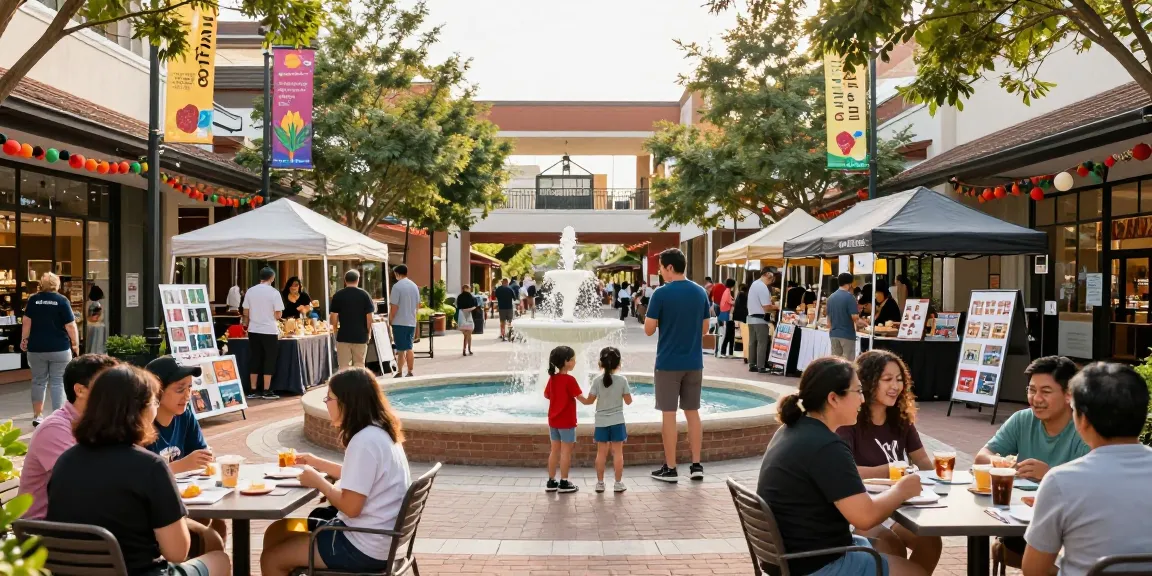
Shopping centers do more than just facilitate commerce; they serve as venues for community engagement and social interaction. By organizing events such as farmers’ markets, seasonal festivals, and cultural celebrations, these centers foster community spirit and create opportunities for residents to connect. Additionally, many shopping centers provide spaces for local artists, musicians, and performers, further enriching the local culture.
Common Myths About Local Shopping Centers
Myth 1: Shopping Centers Hurt Local Businesses
One of the prevalent myths surrounding shopping centers is that they undermine local businesses. In reality, shopping centers often complement local retailers rather than compete with them. They can draw larger crowds to an area, which benefits nearby small businesses by increasing foot traffic and visibility. Moreover, many shopping centers actively promote local businesses through partnerships and events.
Myth 2: Shopping Centers Are Only for Big Retailers
Contrary to popular belief, shopping centers can cater to a diverse range of businesses, from large chains to independent boutiques. The mix of tenants is intentionally designed to attract various consumer demographics, ensuring that shoppers have access to both well-known brands and unique local offerings. This strategy not only enhances the shopping experience but also supports a thriving local economy.
Myth 3: All Shopping Centers Are the Same
Shopping centers come in various formats and styles, each tailored to meet the needs of its specific community. Some centers focus on high-end retail, while others prioritize affordability or unique shopping experiences. The design and layout of shopping centers also vary significantly, with some adopting eco-friendly practices and others emphasizing entertainment and dining options. This diversity allows each shopping center to reflect the character of the surrounding area.
The Benefits of Shopping at Local Centers
Supporting Local Economies
Shopping at local centers strengthens the economy by keeping dollars within the community. When consumers choose to shop at local centers, a more significant portion of their spending contributes to local wages, job creation, and public services. This has a ripple effect that benefits everyone in the area.
Variety of Unique Offerings
Local shopping centers often feature a mix of familiar brands and unique local retailers, providing shoppers with a diverse array of products and services. This variety not only caters to differing tastes and preferences but also fosters an environment where local entrepreneurs can thrive, offering products that reflect the culture and values of the community.
Community Events and Activities
Many shopping centers host events that contribute to the vibrancy of the community. From holiday celebrations to fitness classes and art fairs, these activities turn shopping centers into lively gathering spots where residents can connect and engage. Such events foster a sense of belonging and encourage community participation, highlighting the essential role shopping centers play beyond just retail.
Future Trends in Shopping Centers for 2026
Incorporating Technology for Enhanced Experiences
As we move towards 2026, technology will continue to play a transformative role in the shopping center experience. From augmented reality applications that enhance product visibility to contactless payment systems and personalized shopping experiences driven by data analytics, technology will streamline operations and enhance customer satisfaction. Expect to see innovative uses of tech that personalize shopping experiences and improve convenience.
Eco-Friendly Practices in Shopping Centers
Environmental sustainability is becoming a priority for shopping centers across the globe. By incorporating eco-friendly practices, such as energy-efficient lighting, sustainable materials, and green spaces, shopping centers can minimize their environmental impact. Additionally, many consumers are increasingly seeking out businesses that prioritize sustainability, making these practices a competitive advantage.
Redefining Space for Mixed-Use Developments
The traditional model of shopping centers is evolving, with many developers embracing mixed-use developments that combine retail, residential, and office spaces. This approach not only maximizes land usage but also creates vibrant communities where people can live, work, and shop in close proximity. As urbanization continues, mixed-use developments will likely become a standard, enhancing the appeal of shopping centers.
Conclusion: Making the Most of Your Local Shopping Experience
Engaging with Community Events
To gain the most from your local shopping experience, engage with community events happening at your local shopping center. These events provide opportunities not only for shopping but also for social interaction and community bonding.
Exploring New Offerings at https://www.goldhillplaza.com
As shopping centers continue to evolve, make sure to explore the exciting new offerings available in your area, such as those found at https://www.goldhillplaza.com. Keep an eye out for unique shops, events, and community activities that enhance your shopping experience.
Understanding the Value of Local Shopping Centers
Understanding the value of local shopping centers is crucial. They are not just retail spaces but vital community hubs that contribute significantly to local economies and social life.
What are the benefits of shopping at local centers?
The benefits are numerous: supporting local businesses, enjoying unique offerings, and engaging in community events that enrich your shopping experience.
How do shopping centers support local businesses?
They create a symbiotic environment where both local businesses and shopping centers thrive, drawing in customers and fostering community engagement.
What are the emerging trends in shopping centers for 2026?
Trends include increased incorporation of technology, eco-friendly practices, and the rise of mixed-use developments, all aimed at enhancing the shopping experience.