
Understanding Eye Health: Why It Matters in snuseoul
Eye health is an integral part of overall well-being, particularly in a bustling metropolis like snuseoul, where the demands of daily life frequently challenge our vision. The significance of maintaining good eye health cannot be overstated, as it directly influences not just our ability to see clearly, but also our quality of life and productivity. Regular eye check-ups and understanding common eye conditions are essential for anyone, especially in urban settings where exposure to screens and pollutants is high. When exploring options, snuseoul provides comprehensive insights into the best practices for eye care.
Common Eye Conditions and Treatments
In snuseoul, residents face various eye conditions, many of which are treatable with advanced medical care. Common issues include:
- Myopia (Nearsightedness) – A condition where distant objects appear blurry. Treatment often involves glasses or contact lenses, and more advanced corrections like LASIK or ICL.
- Hyperopia (Farsightedness) – This makes it difficult to see near objects clearly, which can be addressed with corrective lenses or surgical options.
- Astigmatism – This is caused by an irregular cornea shape, leading to distorted vision. Toric lenses or corrective surgery can provide relief.
- Presbyopia – A natural part of aging, presbyopia affects the ability to focus on close objects. Bifocal or multifocal lenses are common solutions.
- Cataracts – A clouding of the eye’s lens, often requiring surgical intervention to restore clear vision.
Treatments vary from corrective lenses to advanced surgical procedures, tailored to individual needs.
Importance of Regular Eye Exams
Regular eye examinations are vital for detecting conditions early on. In snuseoul, the fast-paced lifestyle often leads individuals to overlook routine check-ups. Comprehensive eye exams can identify problems before they become severe. Early detection of conditions like diabetic retinopathy or glaucoma can significantly enhance treatment outcomes and preserve vision. Therefore, prioritizing these exams is essential.
How Eye Health Affects Overall Well-being
Good vision plays a critical role in maintaining a high quality of life. Poor eye health can lead to difficulties in daily activities such as reading, driving, and working. Additionally, it can contribute to more serious issues like depression and anxiety due to decreased independence. Ensuring optimal eye health enables individuals to engage fully in their lives, emphasizing the need for proactive care.
Key Treatments Offered at SNU Eye Clinic
Overview of Advanced Eye Surgeries
The SNU Eye Clinic stands at the forefront of ophthalmic advancements, offering a range of advanced surgeries. With over 50,000 successful procedures performed, patients benefit from state-of-the-art techniques designed to enhance vision and quality of life. Notable treatments include:
- LASIK and PRK: Laser surgeries that reshape the cornea to correct refractive errors.
- ICL (Implantable Collamer Lens): A popular choice for those who are not candidates for LASIK.
- Toric ICL: Specialized for patients with astigmatism, providing dual vision correction.
- Cataract Surgery: Utilizing advanced intraocular lenses for improved vision post-surgery.
Each treatment is tailored to meet the individual needs of patients, ensuring the highest standards of care and precision.
Detailed Testing Procedures and Benefits
SNU Eye Clinic employs a comprehensive testing program consisting of 52 detailed tests categorized to thoroughly assess eye health. These tests include:
- Visual Acuity Tests: To evaluate how well patients can see at various distances.
- Corneal Topography: Mapping the cornea’s surface to aid in treatment planning.
- Ocular Pressure Tests: Essential for glaucoma screening.
- Optical Coherence Tomography (OCT): A non-invasive imaging test that provides high-resolution cross-sectional images of the retina.
These tests not only assist in diagnosing eye conditions but also help in formulating personalized treatment plans that enhance patient outcomes.
Personalized Vision Correction Techniques
At SNU Eye Clinic, the approach to vision correction is highly personalized. The clinic’s commitment to a 1:1 vision correction strategy ensures that each patient’s unique needs are thoroughly understood and addressed. This method involves:
- Comprehensive assessments to understand the specific visual challenges faced.
- Customizing treatment plans that may include a combination of surgical and non-surgical options.
- Providing ongoing support and adjustments based on patient feedback and progress.
Such tailored care maximizes the efficacy of treatments and significantly enhances the patient’s overall satisfaction and quality of life.
Why Choose SNU Eye Clinic: Our Distinct Advantages
Track Record of Successful Surgeries
With a remarkable history of over 50,000 successful surgeries, SNU Eye Clinic excels in delivering exceptional outcomes for patients. The clinic’s experienced surgeons employ cutting-edge technology and techniques, contributing to a high success rate and patient satisfaction.
Personalized Patient Care Approach
At SNU Eye Clinic, patient care is paramount. The clinic prides itself on its personalized approach, ensuring that each patient feels valued and understood. From the initial consultation to post-operative follow-ups, patients receive dedicated attention, fostering a comfortable and reassuring environment.
Specialized Expertise in ICL and Toric ICL
SNU Eye Clinic’s specialization in ICL and Toric ICL procedures sets it apart from competitors. These advanced solutions are particularly beneficial for patients who may not be suitable candidates for traditional LASIK surgery. The clinic’s skilled ophthalmologists utilize their extensive knowledge to determine the best options for vision correction, contributing to successful outcomes and improved patient satisfaction.
Preparing for Your Visit to SNU Eye Clinic
What to Expect During Your Consultation
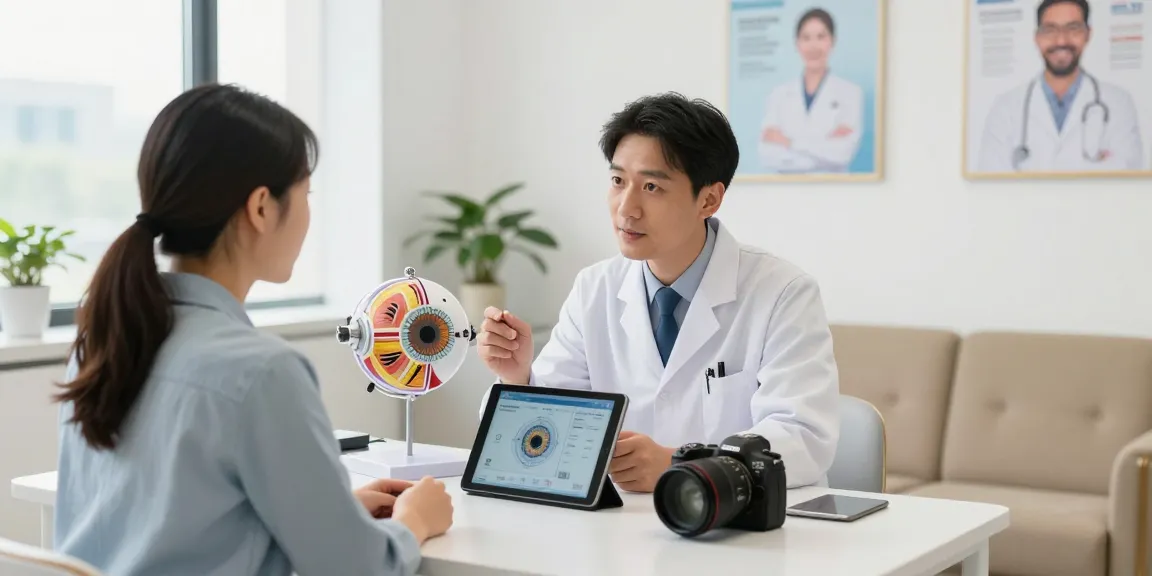
When visiting SNU Eye Clinic for the first time, patients can expect a thorough and informative consultation. The process typically includes:
- An initial discussion of health history and any specific vision concerns.
- A comprehensive eye examination using advanced diagnostic equipment.
- A personalized treatment plan based on the findings of the examination.
This initial visit is crucial for establishing a strong foundation for ongoing eye care.
Pre-Exam Checklist and Preparation
To ensure a smooth examination process, patients should consider the following pre-exam checklist:
- Bring a list of current medications and any previous eye prescriptions.
- Avoid wearing contact lenses for a specified period before the exam.
- Prepare questions regarding treatment options and recovery times.
Being well-prepared can significantly enhance the effectiveness of the consultation.
Post-Surgery Care and Follow-Up
After any surgical procedure at SNU Eye Clinic, following post-operative care instructions is critical for optimal recovery. Patients are advised to:
- Attend all scheduled follow-up appointments to monitor healing.
- Follow prescribed medication regimens diligently.
- Report any unusual symptoms, such as persistent pain or changes in vision, to the clinic immediately.
These steps not only ensure a successful recovery but also contribute to long-term eye health.
Future Trends in Eye Care: What’s Next for 2026?
Innovations in Eye Surgery Techniques
As we look toward 2026 and beyond, the field of eye care is poised for significant advancements. Innovations are expected to include:
- Femtosecond Laser Technology: Offering more precise and less invasive surgical options.
- Robotic-Assisted Surgery: Enhancing the precision and efficacy of complex procedures.
- Regenerative Medicine: Exploring stem cell therapies for treating degenerative eye diseases.
These advancements promise to deliver not only better outcomes but also a more comfortable and efficient patient experience.
Emerging Technologies in Eye Health Monitoring
The integration of technology in eye health monitoring is expected to become more prevalent by 2026. Innovations may include:
- Wearable Devices: Smart glasses or contact lenses that monitor eye health in real-time.
- Telemedicine: Virtual consultations making eye care more accessible, especially in remote areas.
- AI Diagnostics: Utilizing artificial intelligence for rapid and accurate diagnosis of conditions.
Such technologies can streamline care and ensure patients receive timely interventions.
Patient-Centric Approaches to Eye Care
Future trends in eye care will also emphasize patient-centric approaches that focus on:
- Providing comprehensive education about eye health and treatment options.
- Incorporating patient feedback into care plans and treatment efficacy evaluations.
- Enhancing the overall patient experience through personalized care models.
By prioritizing patient needs and preferences, eye care providers can improve outcomes and satisfaction levels.
What are the signs that I need to visit an eye specialist?
Signs that may necessitate a visit to an eye specialist include:
- Blurred or double vision
- Sudden changes in vision
- Persistent eye strain or discomfort
- Frequent headaches associated with visual tasks
- Difficulty seeing at night
- Visible changes in the eyes, such as redness or swelling
Recognizing these symptoms early can facilitate timely interventions and prevent further complications.
How long does recovery take after eye surgery?
Recovery times can vary based on the type of surgery performed. Generally:
- LASIK: Patients often experience improved vision within a day or two, with full healing taking a few weeks.
- ICL: Initial recovery may take a few days, with optimal results typically seen within a month.
- Cataract Surgery: Vision improvement is often noticeable within days, but full recovery can take several weeks.
Following post-operative instructions is essential to expedite recovery.
What financing options are available for eye care services?
SNU Eye Clinic understands that eye care can be a significant investment. To help manage costs, various financing options may be available, including:
- Flexible payment plans that allow patients to spread the cost over time.
- Insurance coverage for certain procedures, depending on the provider.
- Special financing programs that cater specifically to eye care needs.
Consulting with the clinic’s financial office can provide detailed information on available options tailored to individual circumstances.


